


“A pleasure to deal with. Highly responsive and agile in their approach”
“A pleasure to deal with. Highly responsive and agile in their approach”


New Balance, a heritage sports footwear brand, has long been known for its emphasis on high-quality craftsmanship, comfort, and performance. Founded in 1906 in Boston, Massachusetts, the company built a loyal customer base over the decades, especially among athletes and professionals who valued durability over fashion trends. However, by the early 2010s, New Balance found itself in a precarious position, as competitors such as Nike, Adidas, and Puma aggressively expanded their market share through celebrity endorsements, cultural influence, and cutting-edge digital marketing strategies.
Despite having a strong presence in running and performance footwear, New Balance’s market perception suffered from an outdated brand image. It was often seen as a brand for older consumers rather than trend-conscious youth. This perception issue, combined with a lack of engaging marketing strategies, resulted in stagnating growth and declining revenue.
By 2017, New Balance’s revenue growth had plateaued, and the brand struggled to connect with younger consumers who were heavily influenced by sneaker culture and social media trends. Unlike Nike and Adidas, which invested billions in high-profile collaborations and influencer-driven campaigns, New Balance remained relatively conservative in its marketing approach, relying on product quality and performance rather than cultural relevance.
Several factors contributed to this decline:
Recognizing the need for a radical shift, New Balance appointed a new Chief Marketing Officer in 2018 with a mandate to modernize the brand’s strategy and reposition it as both a performance and lifestyle brand. The marketing overhaul focused on three key areas: content marketing, influencer collaborations, and limited-edition product drops.
New Balance reallocated significant marketing resources into digital storytelling, producing high-quality content that blended performance and lifestyle branding.
They partnered with content creators to develop engaging brand narratives, including short documentaries, behind-the-scenes looks at collaborations, and interviews with brand ambassadors.
The brand expanded its presence across Instagram, TikTok, and YouTube, ensuring that their products were being discovered through viral content and influencer-led storytelling.
To enhance cultural relevance, New Balance pivoted from solely sponsoring athletes to partnering with fashion influencers, musicians, and cultural icons.
Notable collaborations included partnerships with Jaden Smith, Jack Harlow, and Kawhi Leonard, each of whom helped bridge the gap between performance and streetwear fashion.
The brand also partnered with independent designers such as Aimé Leon Dore, Stray Rats, and Joe Freshgoods, resulting in highly coveted sneaker drops that generated buzz in sneaker culture and streetwear communities.
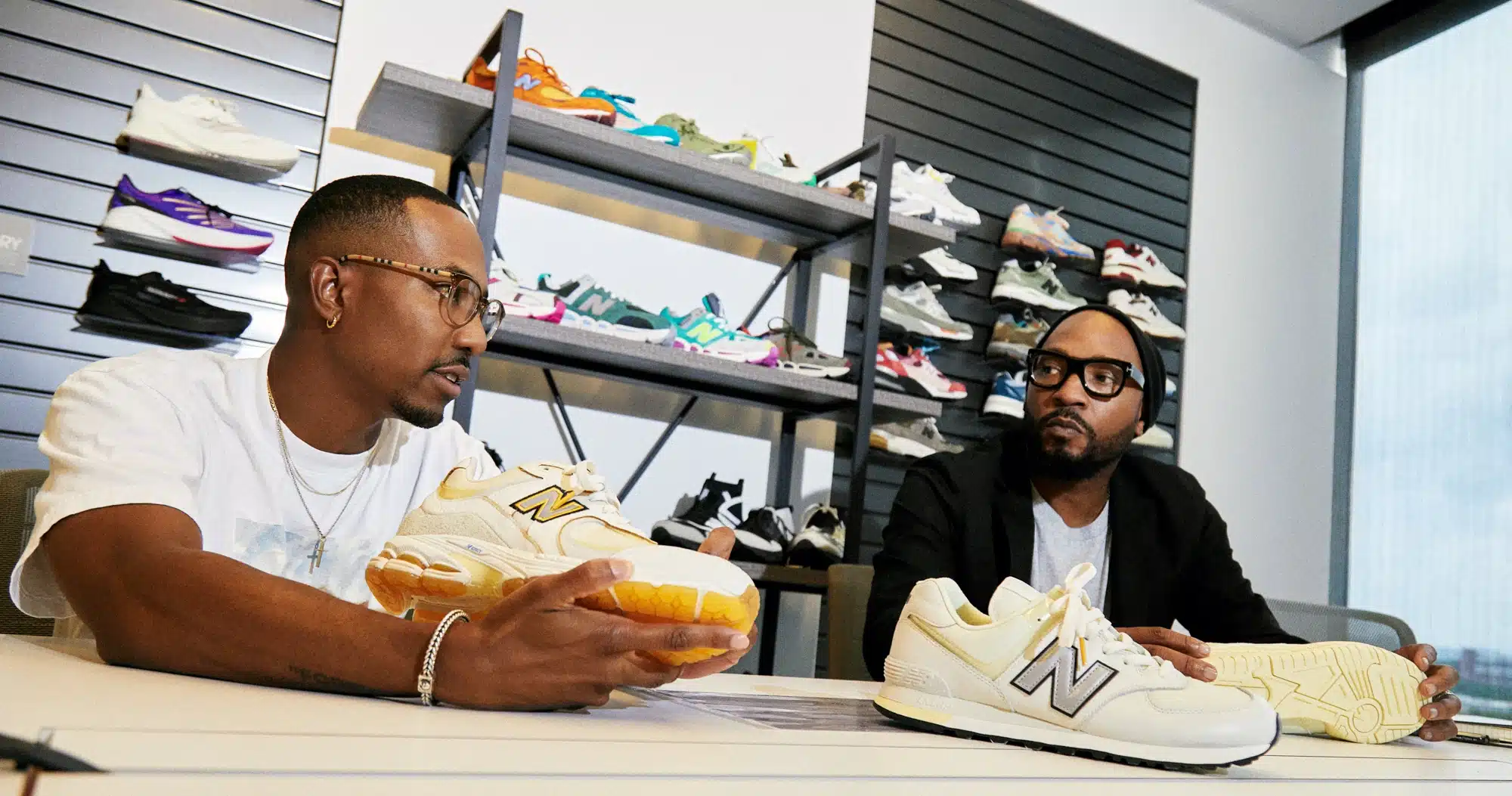
New Balance embraced the hype-driven model popularized by competitors like Nike’s SNKRS app and Adidas’ Yeezy releases.
The brand released limited-edition collaborations that were available in small quantities, creating scarcity and driving demand.
These drops often sold out within minutes, boosting New Balance’s credibility among sneakerheads and collectors.
New Balance significantly increased its digital ad spend, prioritizing paid social campaigns that targeted younger audiences.
The brand embraced TikTok marketing, working with micro-influencers to showcase styling tips and sneaker unboxings.
UGC (user-generated content) was actively encouraged, with campaigns like #MyNewBalance, which invited users to share how they styled their sneakers.
New Balance rebranded its retail stores to reflect a modern aesthetic, incorporating digital screens, interactive displays, and in-store experiences tailored to sneaker culture.
Pop-up shops were introduced in key fashion capitals, featuring exclusive product drops and immersive experiences to generate social media buzz.
The comprehensive marketing transformation paid off significantly, leading to a resurgence in brand relevance and financial performance.
Revenue Increase: New Balance reported global sales exceeding $5 billion in 2022, $6.5 million in sales for 2023, a substantial increase from its pre-transformation stagnation.
Increased Market Share: The brand successfully recaptured lost ground, competing effectively with Nike and Adidas in key markets.

Stronger Cultural Relevance: New Balance evolved from a performance-focused brand to a cultural and fashion powerhouse, regularly featured in sneaker blogs, fashion magazines, and social media.
Increased Popularity Among Young Consumers: The brand became a staple among Gen Z and Millennials, appearing frequently in streetwear circles and influencer wardrobes.
Exponential Growth in Engagement: New Balance’s digital strategy resulted in a significant increase in social media interactions, particularly on TikTok and Instagram.
Successful Influencer Partnerships: Collaborations with high-profile figures contributed to increased brand awareness and demand.
New Balance’s transformation serves as a case study in how legacy brands can reinvent themselves in the modern digital and cultural landscape. By embracing content marketing, influencer partnerships, and limited-edition product strategies, the brand successfully transitioned from an outdated perception to a leading force in both performance and fashion footwear.
This success story underscores the power of strategic marketing investment, cultural awareness, and digital-first storytelling in reshaping brand identity and driving sustained revenue growth. New Balance’s journey proves that even well-established brands can achieve resurgence by adapting to evolving consumer behaviors and market trends.



